Too many brands still treat sound as an add-on to a campaign - choosing random music for an online ad or music for a promotional video. Yet audio branding is a strategic system, and building it follows a repeatable, predictable course.
From a single melody to a system of sounds
Many companies weigh up the cost of individual audio elements instead of a whole strategy. A professional audio branding system covers:
- an analysis of every audience touchpoint,
- music for an ad campaign and for digital materials,
- helpline sounds, app sounds and product film sounds,
- music for a retail display or a showroom.
What does the audio branding process look like?
A professional process takes from a few weeks to a few months and moves through the following stages:
1. Strategic briefing
The team gets to know the brand - its values, mission and goals. A good brief defines the emotions and associations the sound system should evoke.
2. Competitive research and benchmarks
A market analysis makes it possible to understand the dominant sounds in the industry. This stage is sometimes run separately, as a sound audit of existing communication.
3. Touchpoint analysis
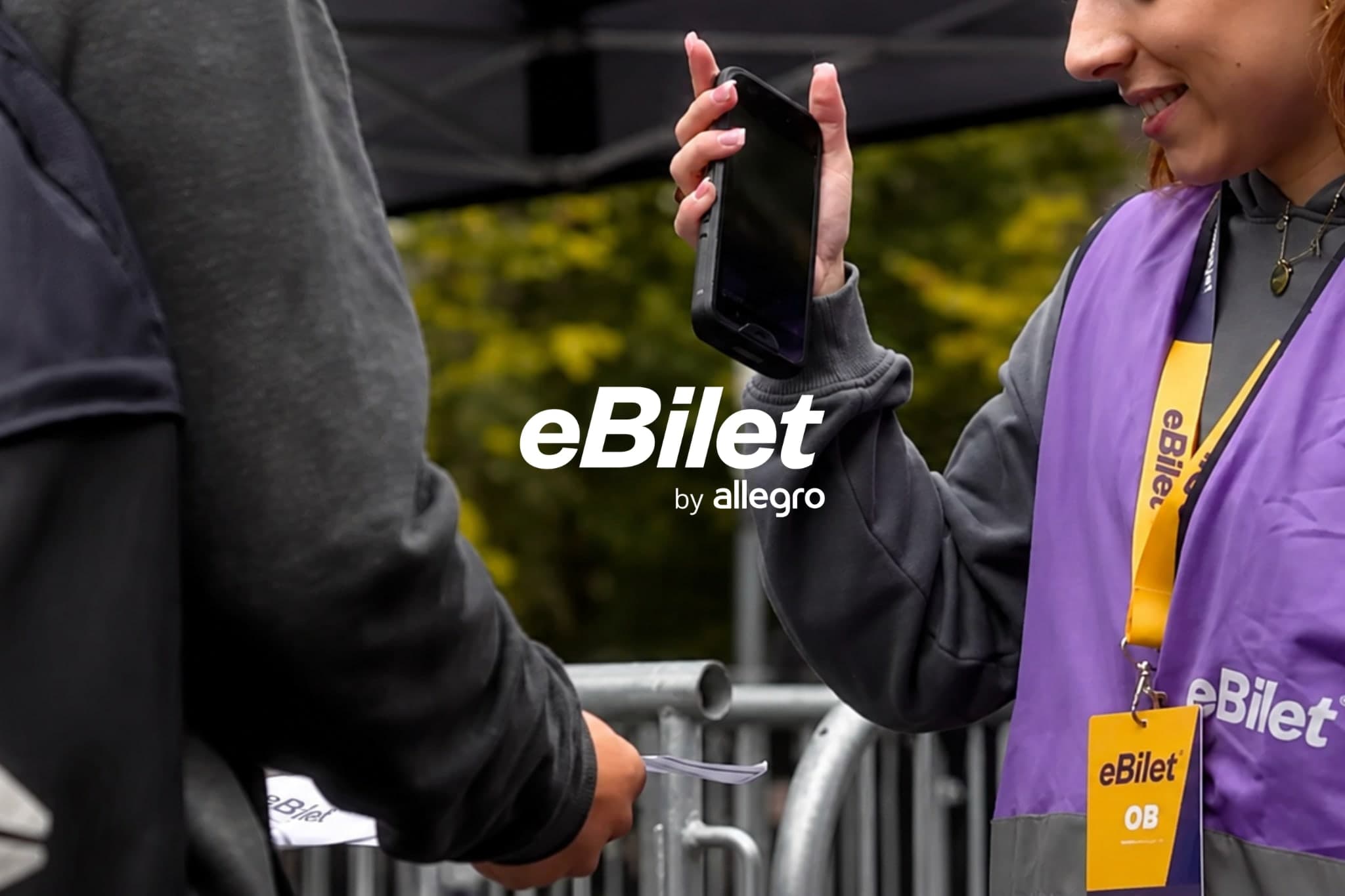
Identifying every place a brand meets its customer (website, social media, app, helpline, offline events). This is often where the moment that decides the whole project is found - as was the case with the eBilet sonic identity.
4. Creative sound moodboards
Preparing playlists and sound samples that capture the brand's character.
5. Creating the Audio DNA and sound logo
Audio DNA is a sound file (45-90 seconds) containing a brand's distinctive sonic elements, on the basis of which a recognisable sound logo is built.
Why is music from a sound bank not enough?
Although royalty-free music seems tempting, it has serious limitations. Elements from libraries turn up in other companies' materials, destroying the memorability effect. On top of that, licensing and copyright can be more complicated and create communication risks.
We explain why a unique sound genuinely translates into results in the post on why sound sells.
Applications of a sonic identity
Once the sound system is created, the audio elements are used in:
- advertising materials and social media,
- audio-video materials on YouTube and display campaigns,
- apps and user interfaces,
- phone contact and helplines,
- physical spaces (shop, showroom, events).
The shortest form of the whole system remains the jingle - but that is only its tip. You will see the results of full implementations in our work.