In a world where consumers see thousands of visual messages a day, the brands that start to build an edge are the ones that sound, not just look. Sight is overloaded. Hearing is still underrated. And that is exactly the space audio branding works in.
Put simply, audio branding (sonic branding) is the deliberate, strategic design of every sound a brand's audience comes into contact with: from advertising, through mobile apps, to helplines, events and retail spaces. It is not about "nice music in an ad". It is about a system.
Just as visual identity organises colours, typography and the logo, a sonic identity for a company organises the brand's sound - its tempo, emotion, instrumentation, compositional style and the way sound is used across different customer touchpoints.
It is the difference between a random playlist and a recognisable voice.
A shorter introduction to the topic - for those just starting out - can be found in the post "What is audio branding? Brands that sound!".
Why does sound work faster than image?
Neuromarketing research shows that sound is processed by the brain faster than image and more strongly activates the structures responsible for memory and emotion (the limbic system among them). In other words: we hear and feel before we start to analyse.
That is why a short audio logo can, in a fraction of a second, summon specific associations: safety, energy, technology, closeness. It is the same mechanism that lets us recognise Netflix, Intel or McDonald's from a single sound.
A well-designed audio logo works like a signature. It does not require looking. It reaches you even when the screen is off and the user is driving or cooking. In the era of podcasts, voice assistants, TikTok and short-form video, that advantage only grows - something we cover in more depth in the piece on why the world is going audio-first.
Audio branding is a system, not just a "jingle"
One of the most common mistakes is reducing the subject to a single jingle. But one track is not enough - what a company jingle actually is and where its role ends, we explain in a separate post.
Professional audio branding includes, among other things:
- sound strategy,
- a set of compositional rules,
- a brand music intro for video and social media,
- a bank of motifs for ads and content,
- adaptations for different formats,
- consistent background music for advertising and sales materials,
- an implementation system for touchpoints (POS, events, apps, helplines).
Only then does the synergy effect appear - the customer starts to "hear the brand" in every channel.
What is Audio DNA?
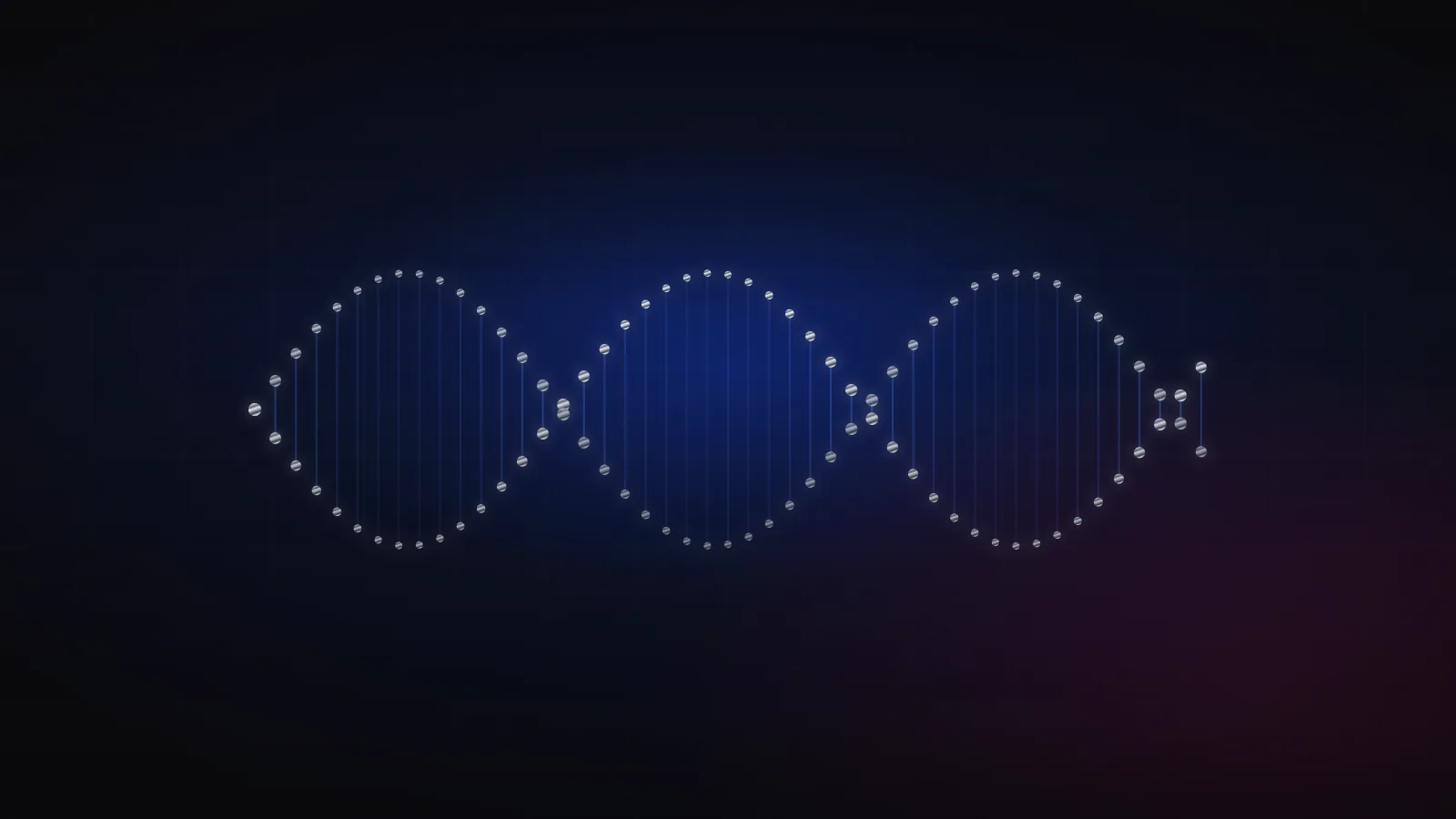
If audio branding is a system, then Audio DNA is its core.
It is a brand's unique genetic code written in sound: a set of traits that make every composition - regardless of its length or arrangement - sound "like that company".
Audio DNA defines, among other things:
- emotional character (e.g. premium vs. accessible),
- tempo and rhythm,
- harmony (modern / classical / experimental),
- the palette of instruments and sounds,
- the way tension is built.
Thanks to this, a brand can produce dozens of pieces of material a year and still stay consistent. It is the equivalent of a brand book, only for the ears.
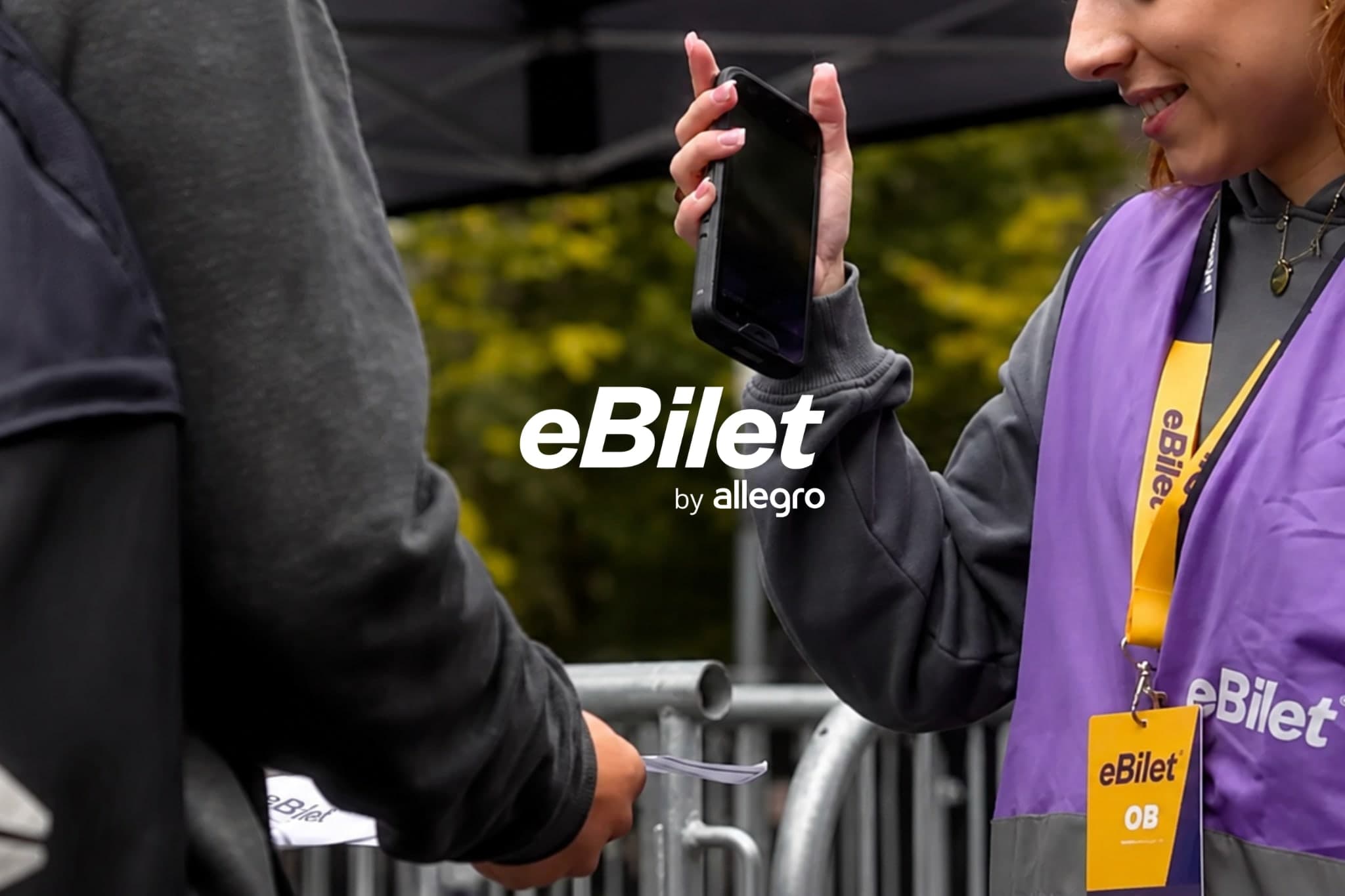
Without Audio DNA, every campaign starts from scratch. With it, you build recognition capital. We show what such a system looks like in practice using the example of the eBilet sonic identity.
Why should companies invest in sound?
From a business perspective, audio branding is not a creative cost but a tool for effectiveness:
- it increases ad memorability,
- it shortens the time it takes to recognise the brand,
- it raises the consistency of communication,
- it strengthens emotional attachment,
- it has a real impact on conversion and sales.
Brands that treat sound strategically stop "buying music for a campaign" and start building an asset that works for years. We gathered the hard business arguments in the post on why sound sells, and we have written separately about why we call audio branding a marketing superpower.
How to approach implementation?
Strategy first, composition second. Identity first, production second.
Soundize Audio Branding are audio branding experts who start the process with workshops and brand analysis, not with the choice of a "music style". Because sound has to follow from the business, not from taste. That is why the sonic branding process at Soundize is distinctive and tailored to the client's needs - it covers research, Audio DNA design, production and long-term system implementation.
Order audio branding - we will start with how your brand should sound.